Projects: From Research to Safeguards
YAFI’s research is meant to lead to action. Our projects engage policymakers, partner organizations, affected communities, and experts to turn proposals into practice. Currently, we focus where protection is urgent but underrepresented: workers subject to algorithmic management and people with intellectual and developmental disabilities, whose access to AI literacy is often overlooked.
Turning human-centered principles into practice
At the Youth AI Future Institute, we believe AI should serve human dignity, agency, and connection, not quietly replace them. The people most affected by AI are often the least heard in how it is built and governed. So we go beyond articles and interviews, working directly with communities, partners, and policymakers through campaigns, education, and policy proposals that turn these values into real protections.
This is what makes us different and more directly impactful than other initiatives solely based on texts and articles.

Multiple
100%
Tangible impact
approaches and project types
Past activities (early 2026):
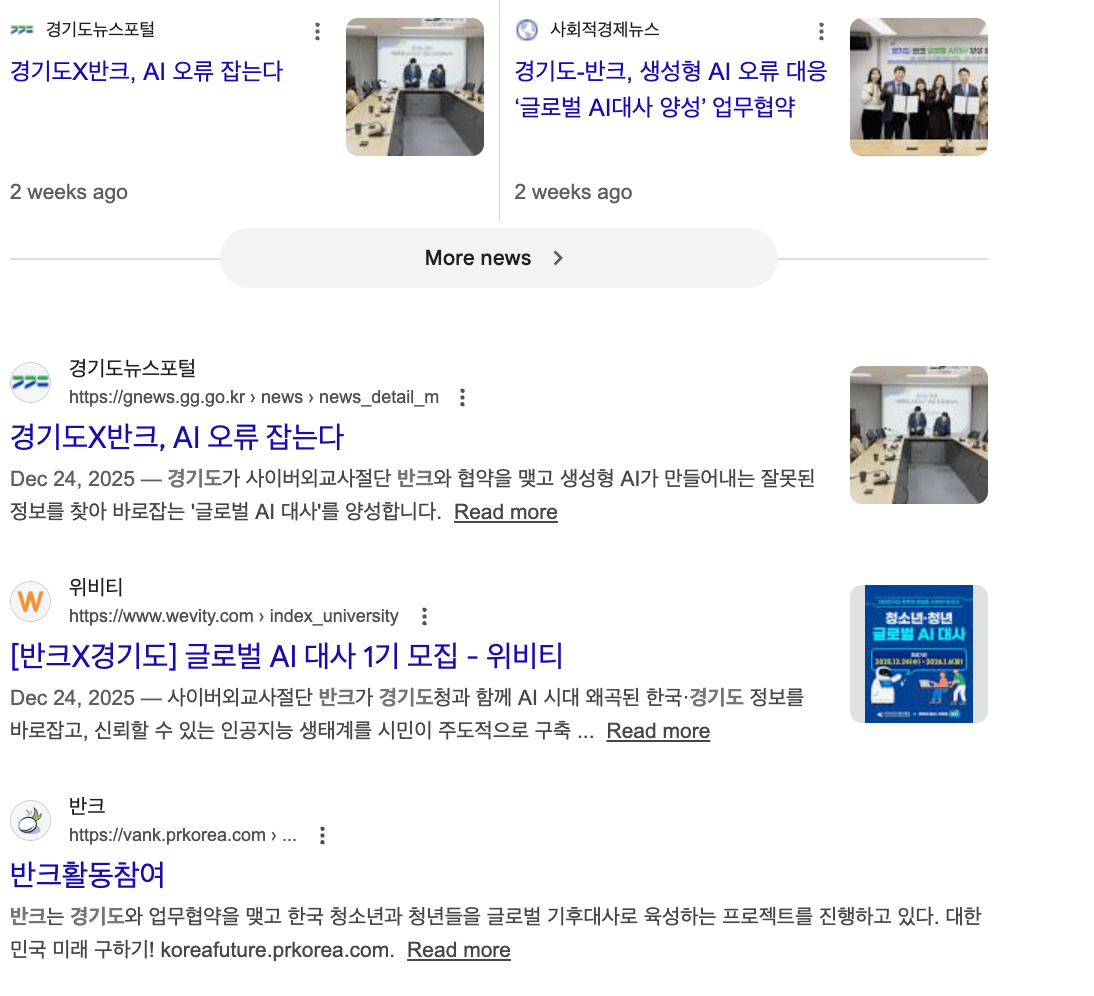
advocated for ethical and responsible AI usage, specifically in targeting AI misinformation that harms societal reputations, South Korean heritage and cultures, by collaborating with Voluntary Agency Network of Korea (사이버 외교 사절단 반크) and Gyeonggi-do (경기도).


Activism as Global AI ambassador/diplomat (글로벌 AI 대사 1기)

How we exemplify our vision & engage with activism
Our recent works, progress in society-enriching projects


Project HUMANE Korea
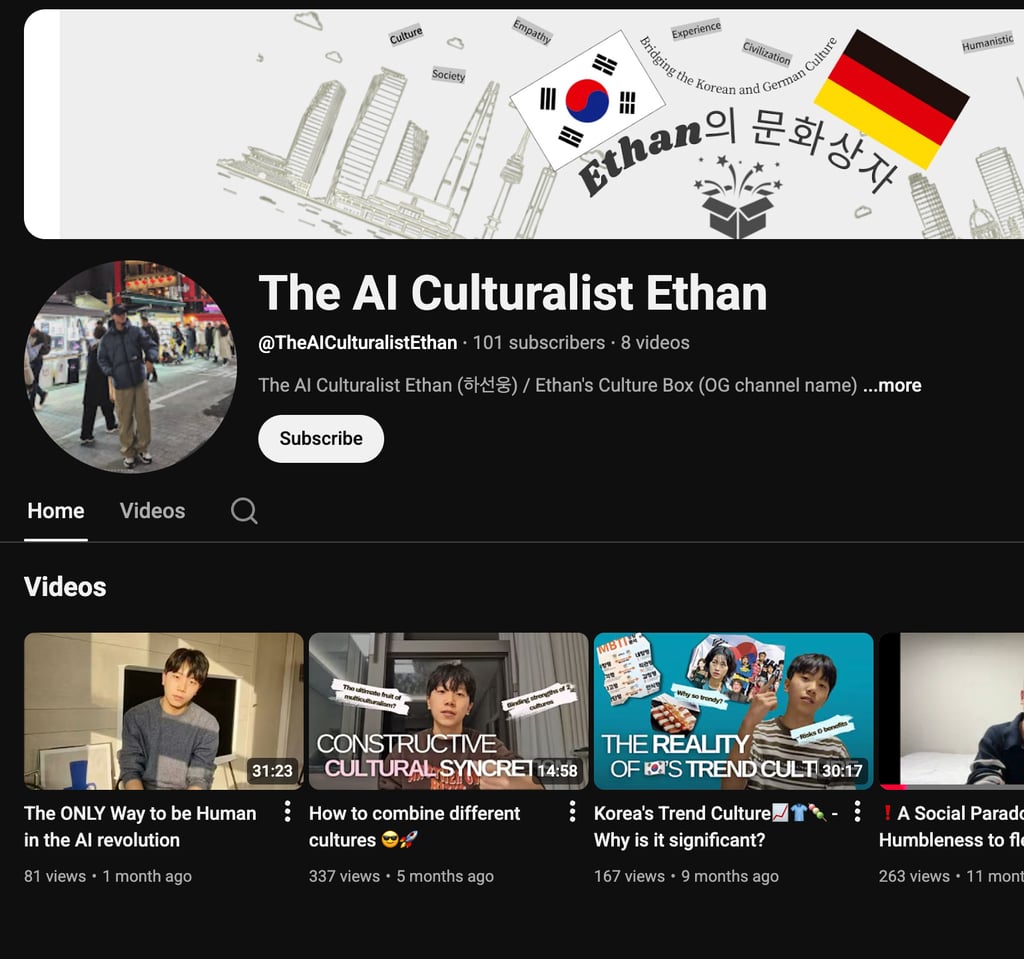
This is our founder's approach in advancing humanness and raising awareness of AI's connection with Sociology and Culture. Using his Korean-German cultural experiences, the channel aims to aid the rehumanization and coevolutionary ideas through inspirations from cultural/social analysis and increase empathy, and intentional experience gathering: crucial human traits for AI governance alignment and Human preservation


Project WITH
Project WITH is an inclusive AI literacy project developed in partnership with the GSIS chapter of Best Buddies, which promotes friendship and inclusion for people with intellectual and developmental disabilities (IDD). It grew out of our work on Korea’s Digital Inclusion Act, where we proposed turning best-effort accessibility obligations into enforceable duties.
This project pairs AI literacy service and volunteering with YAFI-made AI product that aims to do the very opposite of the current technological direction in large AI companies: Add more friction to human-chatbot interaction. By using physical hardware with easy buttons for different commands such as fact-checking, own-thought blurting, idea-rejecting, etc. to develop self-initiated, agentic AI use for students with IDDs.
The AI Culturalist/Humanist
Project HUMANE Korea began as an 80-page bilingual policy report on its way to the National Assembly and politicians. It proposes safeguards across five areas, including workers’ rights to an explanation and to human review when AI is used in decisions such as dismissals and evaluations. The project has since grown into a public campaign, relevant speeches in the Youth National Assembly and interviews